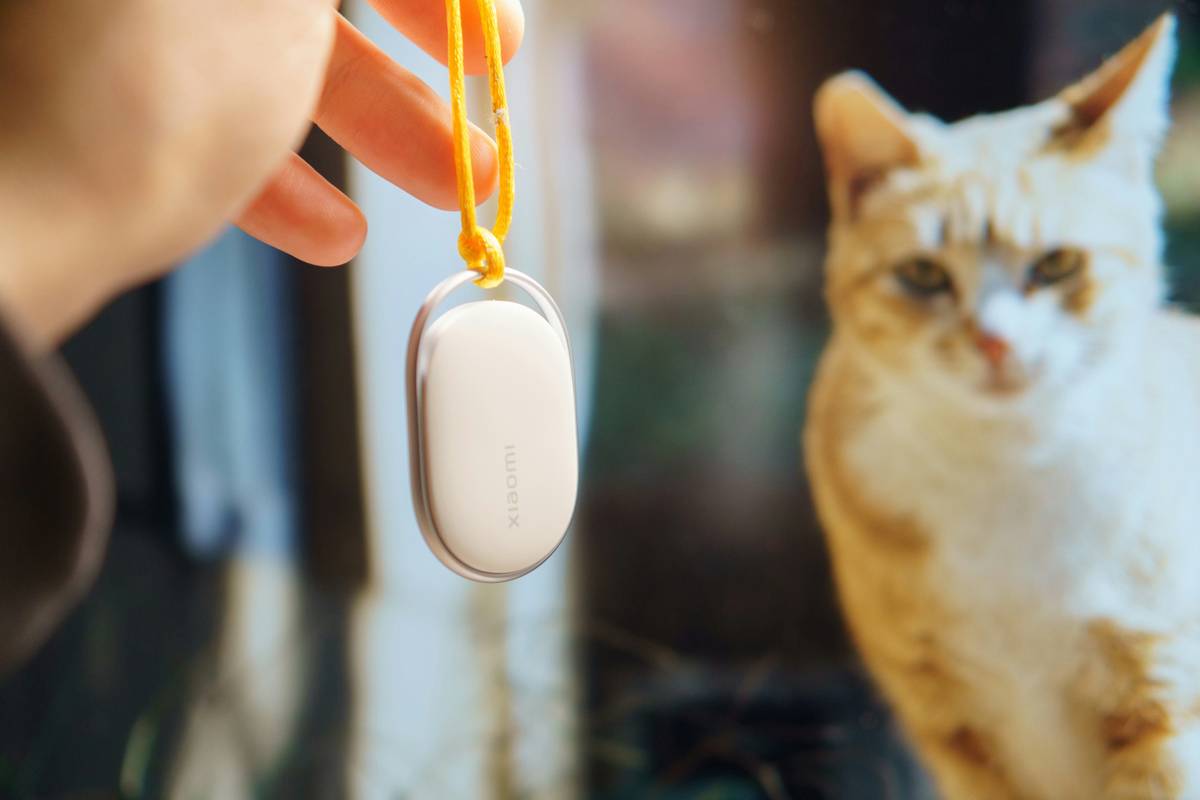
Your dog logs 8,000 steps a day. Your cat naps in three different rooms. The tracker knows—it’s all there. But if that data vanishes or gets siloed in an app you can’t access next year? You’ve lost more than numbers. You’ve lost insights into your pet’s health trends. The fix isn’t just syncing—it’s choosing the right pet data storage options from day one.
Why Your Current Pet Data Storage Strategy Is Probably Failing
Most activity monitors dump data into proprietary cloud vaults with zero export functionality. You’re locked in. Change brands? Good luck migrating historical records. And local-only storage? One phone drop = months of behavioral patterns gone.
Worse—many pet parents assume “cloud” means “safe.” Not true. If the company pivots, sells, or shuts down (yes, it happens), your pet’s baseline activity data evaporates overnight. Think about it: without longitudinal context, how do you spot subtle shifts signaling early illness?
pet data storage options: A Practical Breakdown
Not all storage is created equal. Here’s how to evaluate what actually works long-term:
Cloud Sync vs. Local Backup: The Real Trade-Off
Cloud sync offers convenience but risks vendor lock-in. Local backups give control—but demand discipline. The smart play? Hybrid.
Open Standards Over Walled Gardens
Choose devices supporting open protocols like Bluetooth Low Energy (BLE) with exportable CSV or JSON output—not just slick dashboards. If the manufacturer won’t let you download raw data, walk away.
Data Ownership Clauses Matter
Read the fine print. Some terms grant companies perpetual rights to anonymize and sell your pet’s movement data. Others explicitly state you own every byte. Know which camp you’re in.
| Storage Method | Cost (Annual) | Data Portability | Risk Level |
|---|---|---|---|
| Proprietary Cloud (Brand-Locked) | $0–$40 (bundled) | Low – No export tools | High – Vendor dependency |
| Open Cloud (With API Access) | $20–$60 | High – Full export + third-party integration | Medium – Requires setup |
| Local Storage Only | $0 | Medium – Manual backup needed | High – Device loss = data loss |
| Hybrid (Cloud + Local Export) | $30–$75 | Very High – Redundant & portable | Low – Best resilience |

The Industry Secret: Veterinarians Prefer Raw Data Files—Not App Screenshots
Here’s something manufacturers won’t tell you: progressive vets don’t want your app’s pretty graphs. They want timestamped CSV files showing step count, rest duration, and calorie estimates over 90+ days. Why? Because EHR (Electronic Health Record) systems can’t ingest screenshots—but they can parse structured data.
And get this—some clinics now offer data onboarding as part of wellness plans. But only if you bring machine-readable files. That’s why storage isn’t just about backup; it’s about clinical utility. The math is simple: better data access = faster diagnosis.

Frequently Asked Questions
Can I move my pet’s activity data to a new tracker brand?
Only if your current device allows full data export (usually via email or API). Most budget trackers block this—you’ll lose history. Always confirm export capability before buying.
Is cloud storage safe for sensitive pet health data?
It depends. Look for end-to-end encryption and GDPR/CCPA compliance. Avoid free services with vague privacy policies—they may monetize anonymized data.
How often should I back up my pet’s monitor data?
Weekly for high-risk pets (seniors or chronically ill). Monthly for healthy adults. Set calendar reminders—don’t rely on memory.