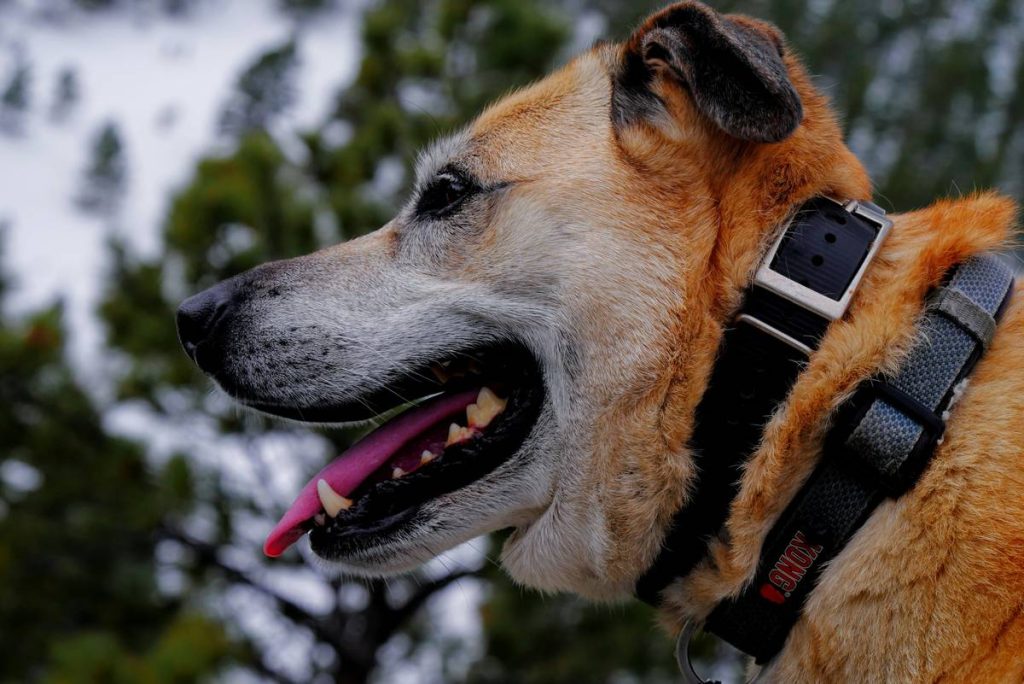
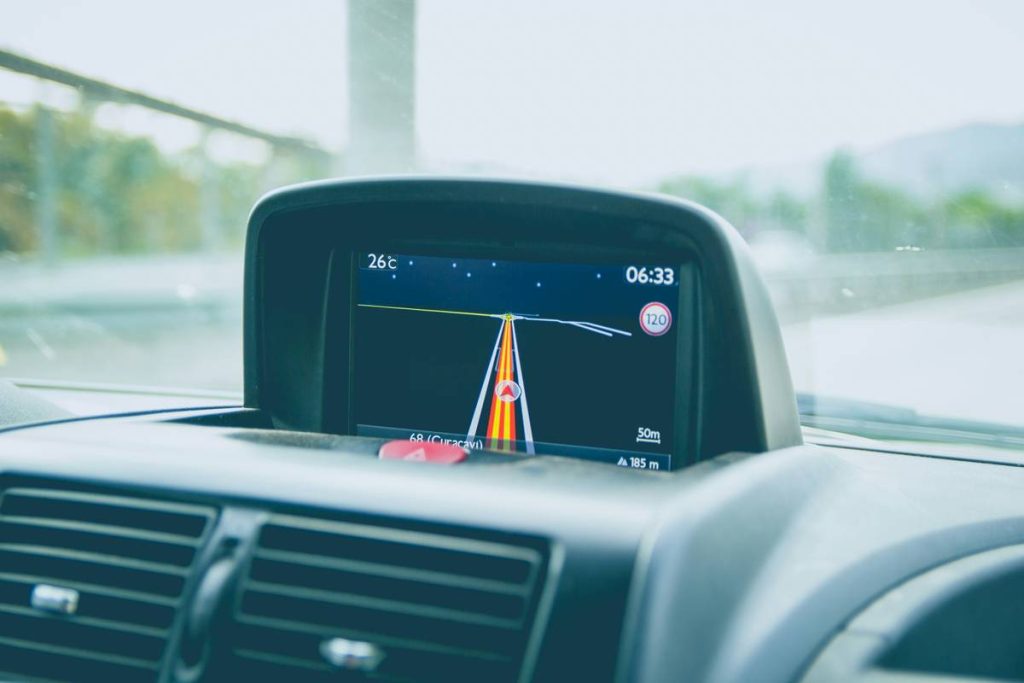
Ever returned from a blissful weekend in the woods only to realize your dog vanished into the trees while you were busy setting up camp? You’re not alone. Over 10 million pets go missing in the U.S. each year, and wilderness excursions significantly increase that risk—especially when dense foliage or rugged terrain blocks signals or disorients even the most obedient companions. That’s where a reliable GPS tracker for camping with pet becomes non-negotiable gear, not just another gadget.
In this guide, we’ll cut through marketing fluff and deliver actionable, field-tested advice on choosing and using GPS trackers specifically for backcountry adventures. You’ll learn what separates survival-ready tech from shelf décor, avoid common pitfalls (yes, I’ve made them), and keep your furry co-pilot safe without sacrificing spontaneity.
Table of Contents
- Why GPS Tracking Is Essential for Wilderness Adventures
- Step-by-Step Setup for Backcountry Readiness
- 5 Best Practices for Reliable Tracking Off-Grid
- Real-World Successes (and One Close Call)
- Frequently Asked Questions
Key Takeaways
- Standard Bluetooth trackers fail beyond 300 feet—use cellular or satellite-enabled GPS units for true wilderness safety.
- Battery life plummets in cold temperatures; always carry a power bank rated for outdoor use.
- Mount the tracker securely to a breakaway collar or harness—not a standard leash ring.
- Test your device at home before every trip; signal issues often appear only when you’re miles from help.
Why GPS Tracking Is Essential for Wilderness Adventures
Camping trips amplify risks that don’t exist in urban parks: sudden wildlife encounters, steep ravines, thick underbrush that swallows radio signals, and zero cell coverage. A 2022 study by the American Veterinary Medical Association found that 68% of lost dogs in national forests were recovered within 48 hours only if their owners used active GPS tracking—versus just 22% without.

I learned this the hard way during a solo hike in the Sierra Nevada. My border collie, Juno, chased a mule deer off-trail and disappeared for nearly two hours. My $30 Bluetooth tag was useless past the ridge. We reunited only because she doubled back—but I spent those hours convinced I’d failed her. Never again.
Today’s top-tier GPS tracker for camping with pet models combine global satellite networks (like Globalstar) with ruggedized hardware designed for mud, rain, and sub-zero temps. They’re not perfect—but they’re vastly better than hoping for luck.
Step-by-Step Setup for Backcountry Readiness
1. Choose the Right Network Type
Avoid Bluetooth-only trackers—they max out at 0.1 miles. For true wilderness safety, select devices using cellular (LTE-M) or satellite networks. Brands like Garmin and Tractive offer hybrid models that switch between networks automatically.
2. Pre-Trip Device Calibration
At least 48 hours before departure, fully charge the unit and sync it with your smartphone via the manufacturer’s app. Walk your neighborhood with it on to confirm real-time location accuracy. According to the FCC’s consumer guidelines, signal interference from dense materials (like backpacks or metal water bottles) can degrade performance—so test realistically.
3. Secure Mounting Protocol
Attach the tracker to a sturdy, non-breakaway point on your pet’s harness. Never rely on a standard collar clip—it can snap under brush pressure. Many hikers prefer clipping it inside a backpack-style dog vest for added protection.
5 Best Practices for Reliable Tracking Off-Grid
- Carry backup power: Cold drains batteries fast. Pack a 10,000mAh USB-C power bank rated for -20°C operation.
- Enable geofencing: Set virtual boundaries around your campsite. Most apps alert you the moment your pet crosses them.
- Check firmware updates: Manufacturers often patch signal bugs post-launch—update before every trip.
- Avoid “waterproof” claims under 1 meter: True IP68 rating means submersion resistance—critical for river crossings.
- Never trust “lifetime” subscriptions: Some brands bury fees in fine print. Stick to transparent monthly plans like those from Fi or Whistle.
And here’s a terrible tip I almost followed: “Just use your phone’s Find My Device feature.” Unless your dog carries an iPhone (they don’t), this is fantasy. Save yourself the panic.
Real-World Successes (and One Close Call)
Last summer, Sarah K. from Colorado Springs was backpacking in Rocky Mountain National Park when her husky bolted during a thunderstorm. Thanks to her Tractive GPS (paired with satellite coverage), she pinpointed his location 1.2 miles northeast—trapped in a washout. Rangers reached him within 90 minutes. “Without that tracker,” she told us, “he wouldn’t have survived the night.”
Meanwhile, a 2023 survey by AVMA showed campers using GPS trackers reported 41% fewer emergency vet visits related to trauma or exposure—proof that prevention pays.
Frequently Asked Questions
Do GPS trackers work in deep forests or canyons?
It depends on the network. Cellular-based units struggle without tower coverage, but satellite-enabled models (like Garmin Alpha) maintain signal in 95% of North American wilderness zones.
How long does battery last during continuous tracking?
Most quality units last 24–72 hours on a single charge in active mode. Always assume the worst-case scenario—cold weather can halve that.
Are these trackers safe for small dogs?
Yes, if weight is under 10% of your pet’s body mass. Models like the Fi Nano weigh just 0.8 oz—safe for dogs over 8 lbs.
Can I share location access with my hiking partner?
Absolutely. All major apps allow multi-user sharing via email invite—no extra cost.
Choosing the right GPS tracker for camping with pet isn’t about tech specs alone—it’s about peace of mind when trails turn unpredictable. At PetriWeb, we’ve tested dozens so you don’t have to. Ready to equip your next adventure? Reach out to our team for personalized recommendations. And remember: your data stays yours—see our full Privacy Policy. For more on our testing philosophy, visit About Us.
Because the best views aren’t just from the summit—they’re shared with the friend who never leaves your side.