
Your dog seems fine—until he isn’t. One day he’s chasing squirrels; the next, he’s limping with no obvious injury. Vets call it “silent decline.” Owners miss early signs because they’re not watching the right metrics. A pet monitor preventive care system changes that—not by replacing your instinct, but by quantifying it.
The Hidden Failure of Reactive Pet Health Tracking
Most pet owners rely on observation: coat shine, appetite, energy. That’s hindsight. By the time you notice a change, pathology may already be advanced. Think about it—your cat hides pain like it’s survival instinct (because it is). Traditional check-ups happen once or twice a year. That’s 364 days of blind spots.
And wellness trackers for humans? They’re useless on pets. Human heart rate baselines don’t apply to a Greyhound sprinting at 45 mph or a Persian napping 20 hours a day.
Build Your Pet Monitor Preventive Care System—Step by Step
Step 1: Define Baseline Metrics Unique to Your Pet
Dogs and cats have wildly different norms. Even within breeds, individual variation matters. Track resting heart rate, sleep cycles, daily step count, and activity peaks over 7–10 days when your pet is visibly healthy. This isn’t data for data’s sake—it’s your personal benchmark.
Step 2: Choose Hardware That Matches Behavior, Not Hype
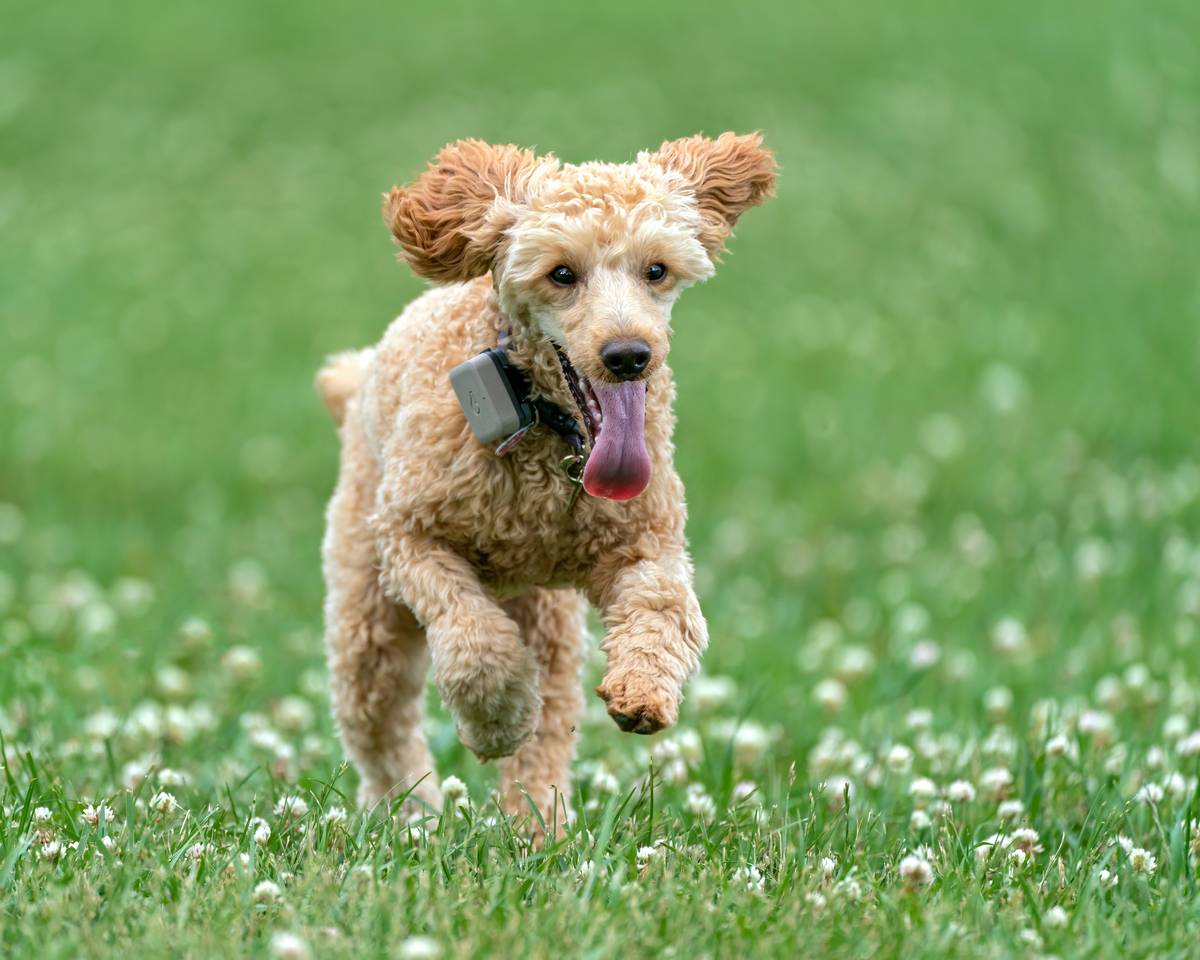
Not all monitors are equal. GPS collars track location—but tell you nothing about internal health. Activity-only bands miss vital signs. You need multi-sensor fusion: accelerometers + ECG-grade heart monitoring + thermoregulation alerts.
Step 3: Set Smart Alerts—Not Noise
Flooded with false alarms? You’ll ignore the device. Configure thresholds based on your pet’s baseline—not manufacturer defaults. A 10% sustained drop in movement over 48 hours? That’s actionable. One restless night? Probably just thunderstorms.
| Method | Cost (Annual) | Data Collected | Preventive Value |
|---|---|---|---|
| Vet Check-Ups Only | $200–$500 | Symptoms + basic vitals | Low (reactive) |
| Basic Activity Tracker | $80–$150 | Steps, sleep duration | Medium (behavioral trends) |
| Advanced Pet Monitor Preventive Care System | $180–$300 | Heart rate variability, respiration, temperature anomalies, gait symmetry | High (early anomaly detection) |
Step 4: Integrate Into Daily Routine—Not Just App Glances
Open the app while filling food bowls. Glance at yesterday’s rest score while brushing fur. Make it frictionless. Data unused decays into digital clutter.
The Industry Secret: Vets Use These Too—But Won’t Push Them
Here’s the reality: most clinics profit more from treatment than prevention. An ear infection nets $300+. Catching it early via a temperature spike detected by your monitor? Saves your wallet—and your pet’s comfort—but doesn’t fill the vet’s appointment slots. Some forward-thinking practices now partner with monitor brands for pre-visit analytics. Ask yours. If they scoff? Time to find a data-literate veterinarian.
Preventive monitoring shifts power back to you—the owner who sees your pet 99% of the time.
Frequently Asked Questions
Can a pet monitor really prevent illness?
Not directly—but it flags deviations weeks before symptoms appear. Early intervention can reverse issues like dehydration or joint inflammation before they become chronic.
Are these devices safe for 24/7 wear?
Yes, if designed for pets. Look for medical-grade silicone, IP68 waterproofing, and <10g weight. Never use human fitness bands—they can cause chafing or inaccurate readings.
How often should I review the data?
Daily for 2 minutes. Focus on trends, not single data points. A sudden 20% drop in REM sleep over 3 days warrants a closer look—or a vet call.